



Microplastics and Macroplastics
Understanding One of the World’s Most Urgent Health and Environmental Challenges
What Are Microplastics and Macroplastics?
Plastic pollution has become one of the most pressing environmental issues of our time. From oceans and rivers to the food we eat and the air we breathe, plastic waste is now found almost everywhere on Earth.
Plastic pollution is generally divided into two categories
Macroplastics
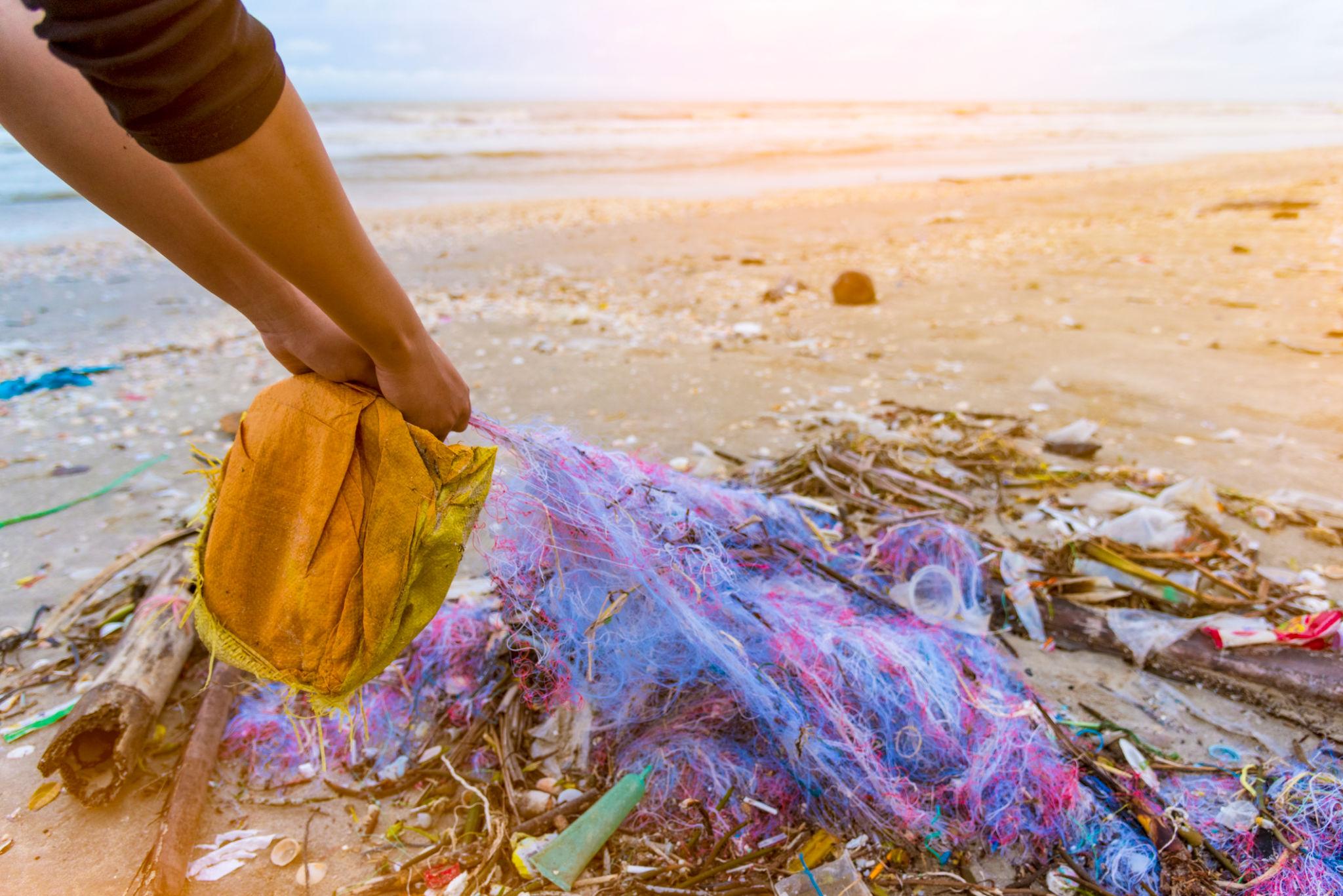
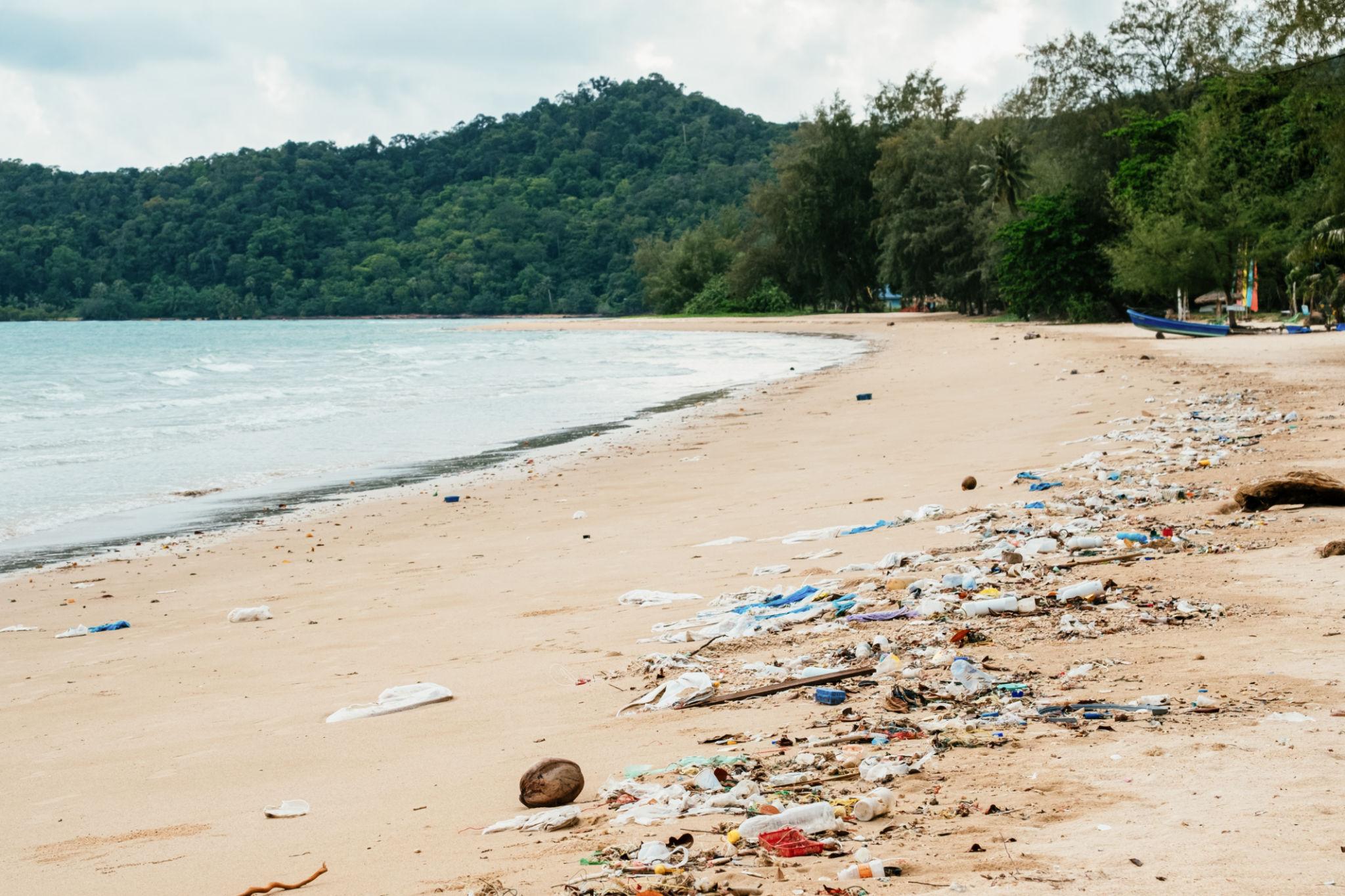
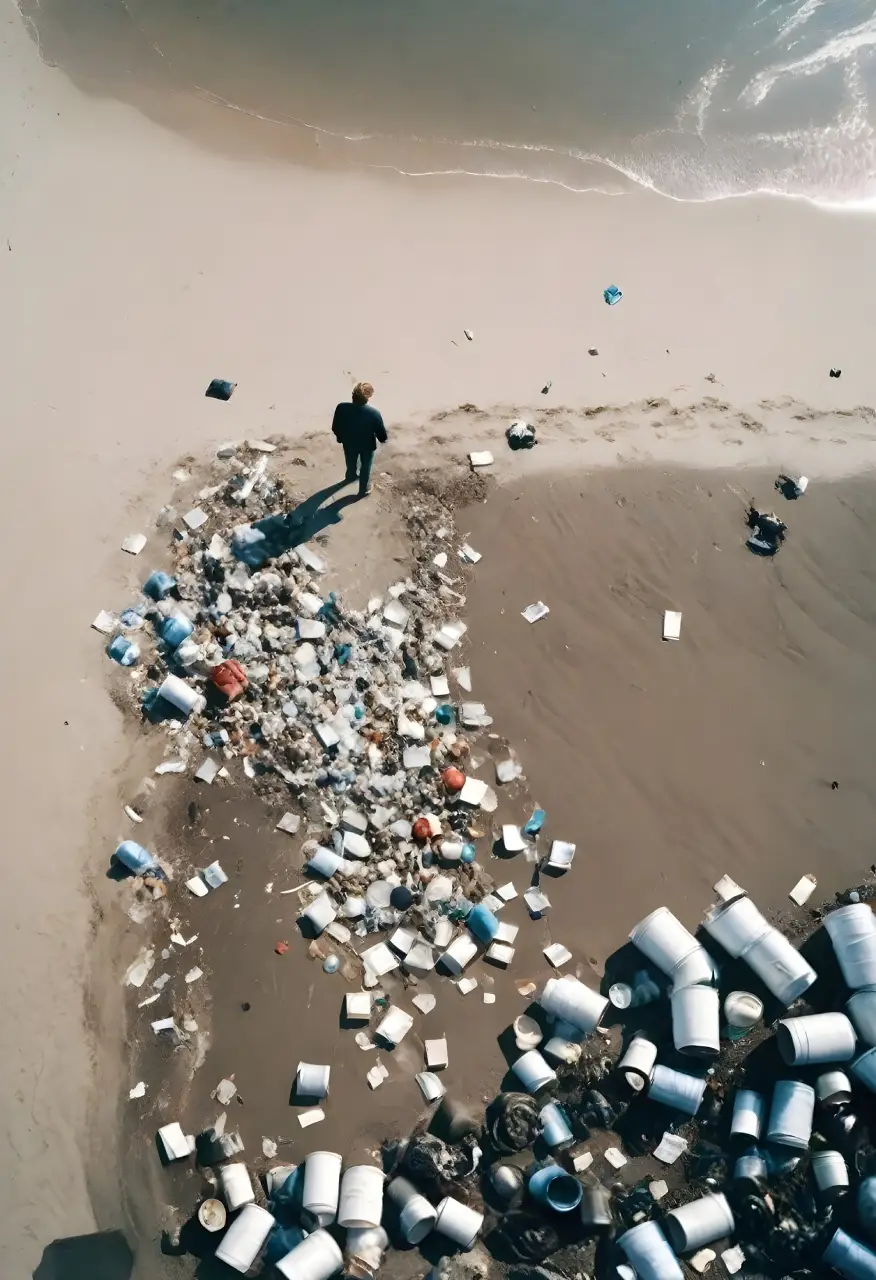
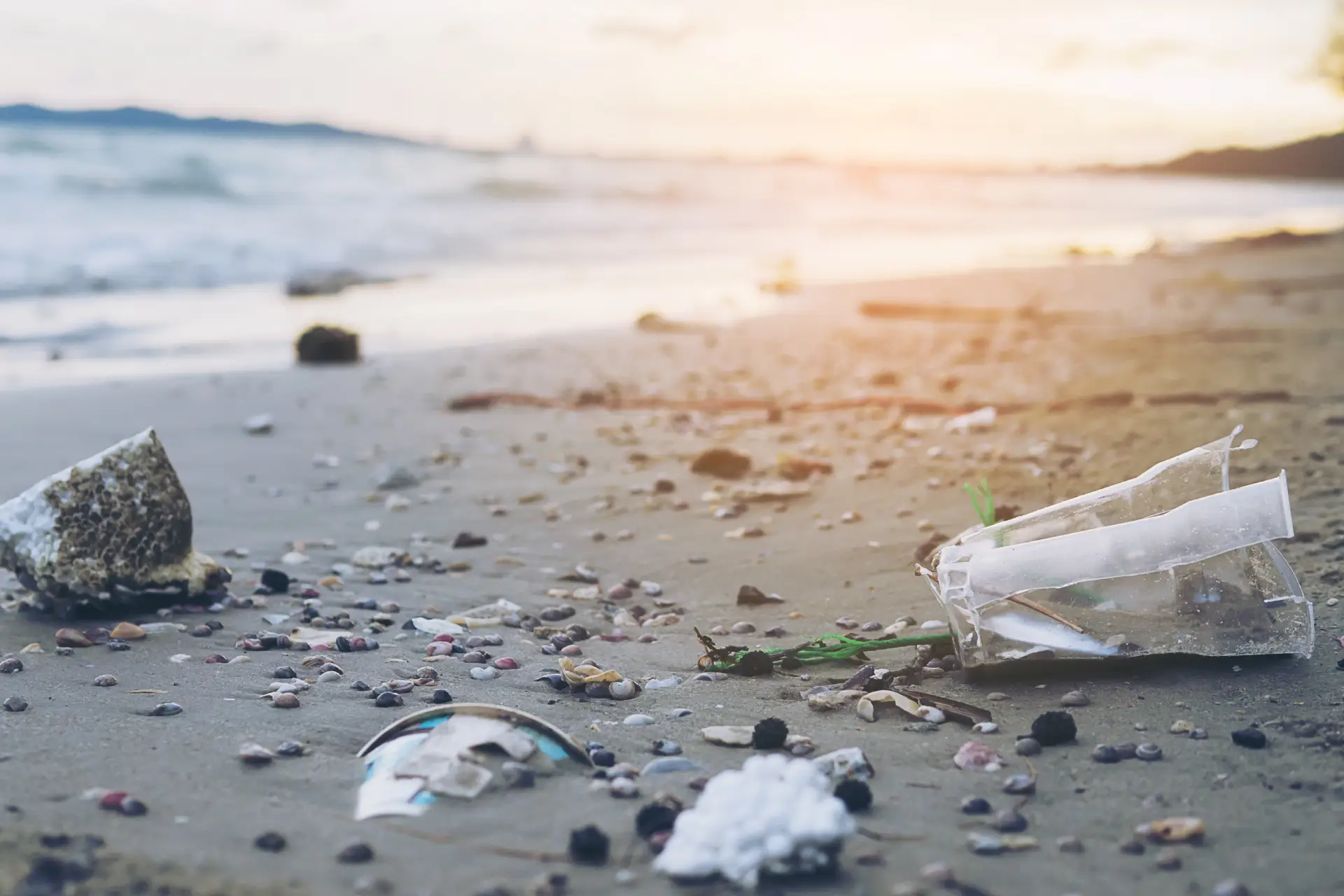
Macroplastics are large plastic items that are visible to the naked eye, such as
-
Plastic bottles
-
Food containers
-
Plastic bags
-
Fishing nets
-
Packaging materials
These items often end up in landfills, waterways, and oceans, where they can persist for hundreds of years.
Microplastics
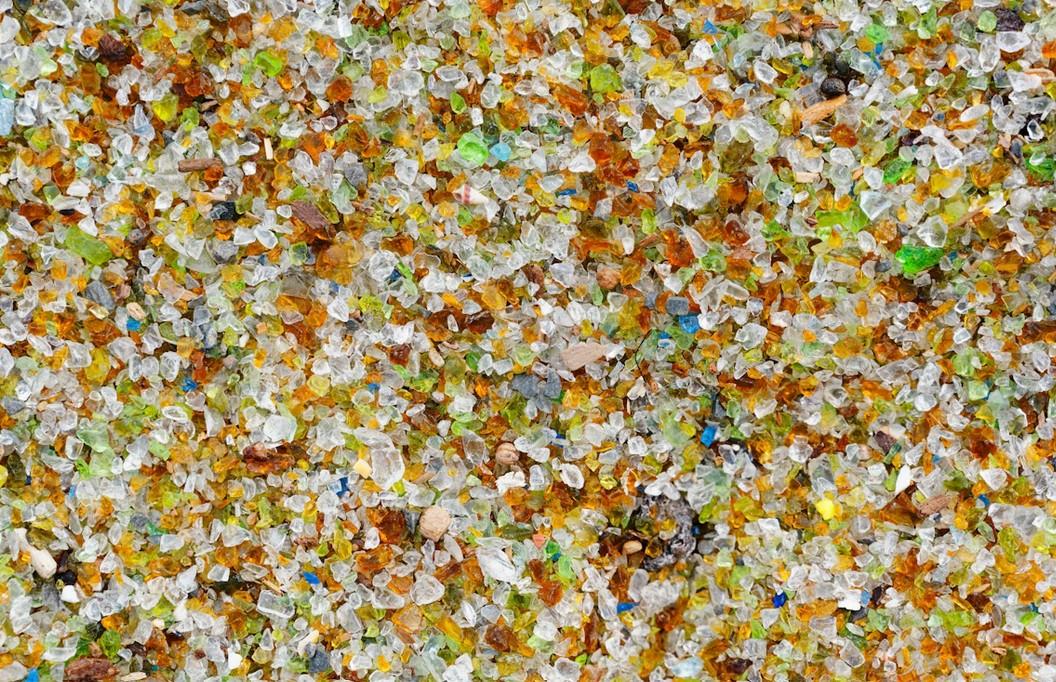
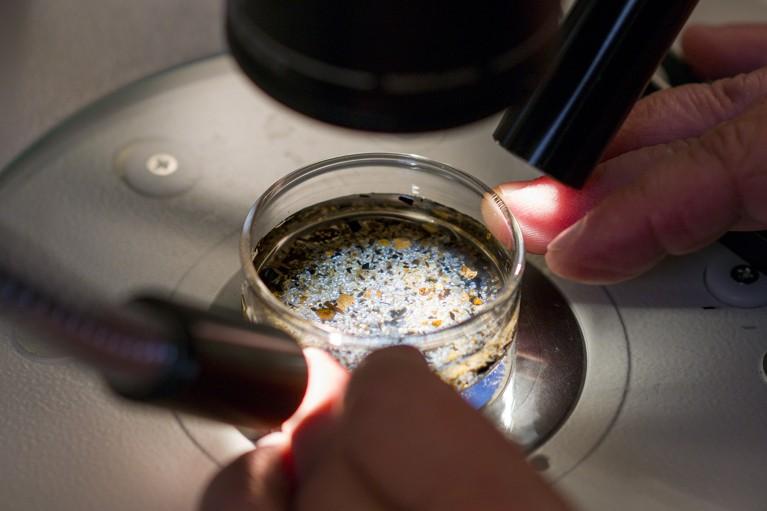
Microplastics are tiny plastic particles smaller than 5 millimeters. They originate from
-
The breakdown of larger plastic items
-
Synthetic clothing fibers
-
Personal care products
-
Tire wear from vehicles
-
Industrial processes
These items often end up in landfills, waterways, and oceans, where they can persist for hundreds of years.
Why Are Microplastics a Global Concern?
Scientists have detected microplastics in
-
Drinking water
-
Seafood
-
Salt
-
Fruits and vegetables
-
Human blood
-
Human lungs
-
Human placentas
Recent studies suggest that people may unknowingly consume thousands of microplastic particles each year through food, beverages, and environmental exposure.
Although research is still ongoing, experts are investigating potential links between microplastics and
-
Chronic inflammation
-
Oxidative stress
-
Hormonal disruption
-
Cardiovascular health risks
-
Immune system dysfunction
As a result, microplastic exposure has become an important topic in environmental health and preventive wellness.
How Do Plastics Affect the Environment?
The environmental impact of plastic pollution extends far beyond littering.
Marine Ecosystems
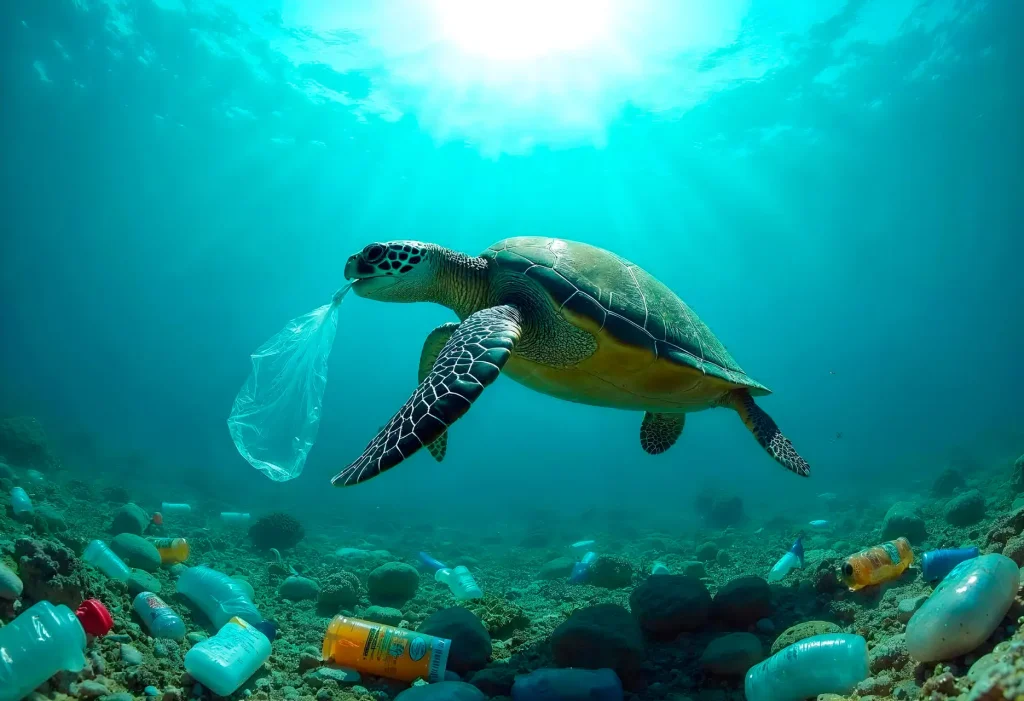
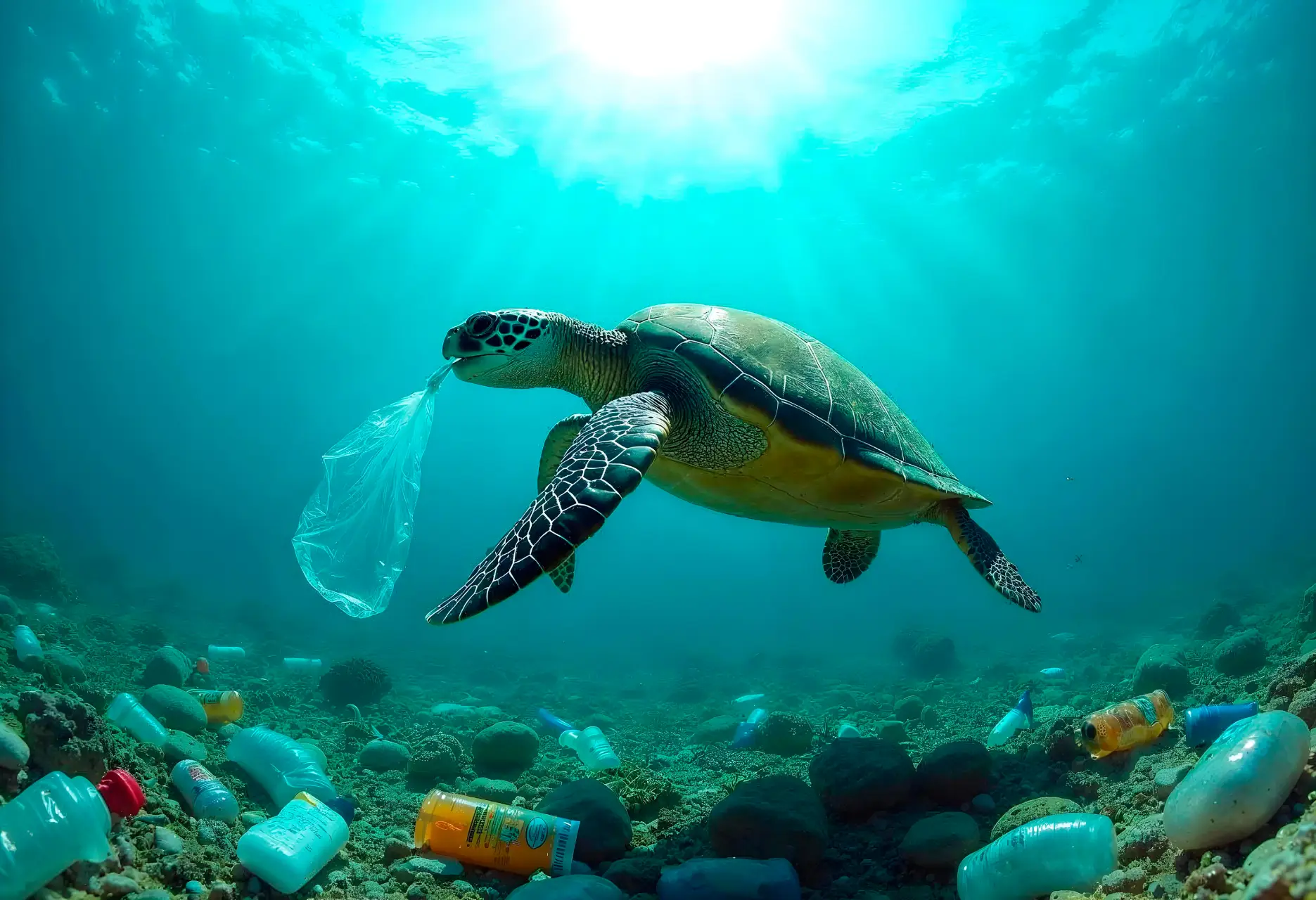
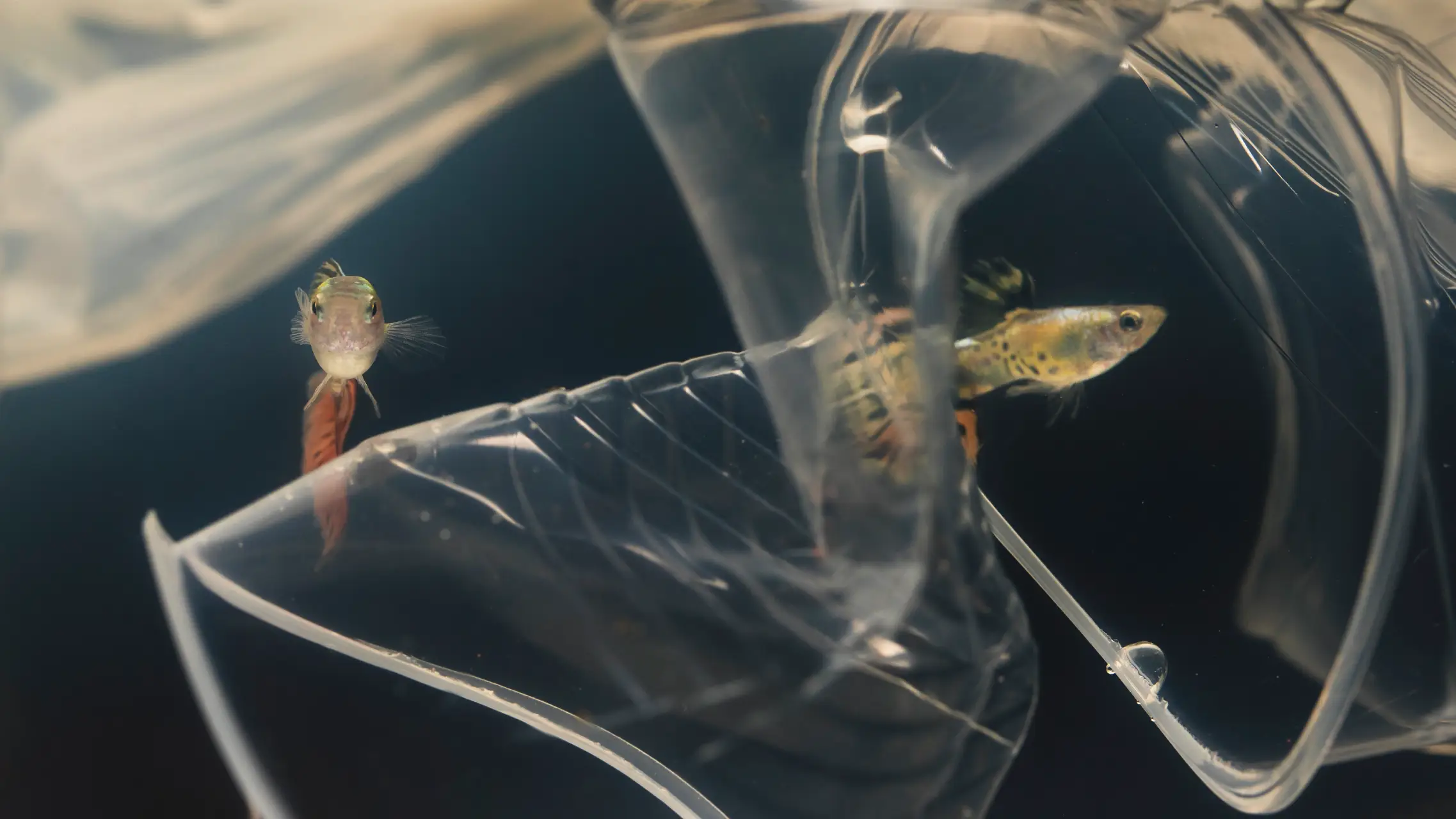
Millions of tons of plastic enter the oceans annually, threatening marine life through ingestion, entanglement, and habitat destruction.
Wildlife
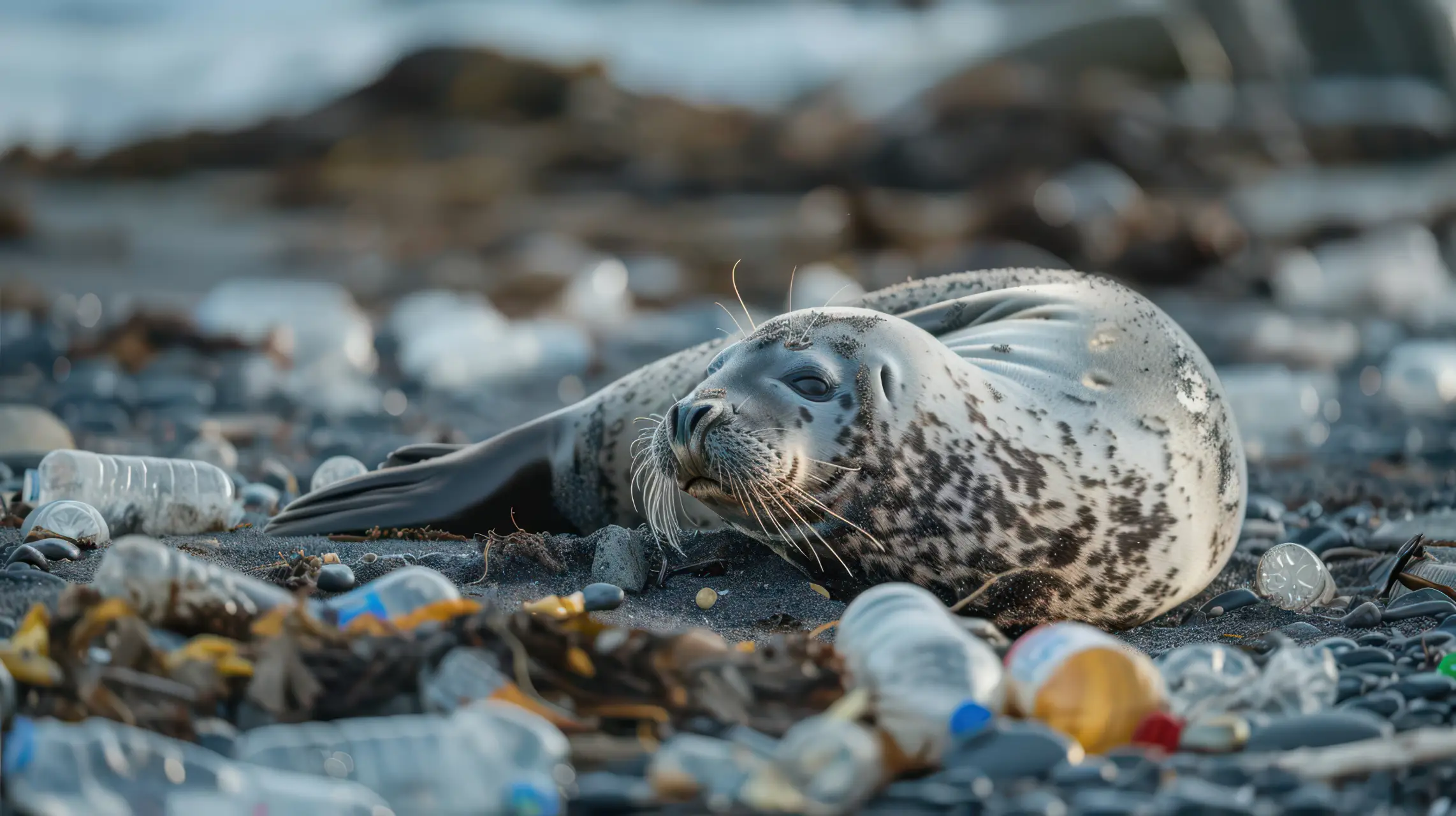
Birds, fish, turtles, and mammals often mistake plastic for food, leading to injury, starvation, or death.
Soil Quality
Plastic particles can accumulate in agricultural soil, potentially affecting plant growth and ecosystem balance.
Climate Impact
Plastic production relies heavily on fossil fuels and contributes to greenhouse gas emissions throughout its lifecycle.
How Can You Reduce Your Exposure to Microplastics?
While completely avoiding microplastics may be impossible, several practical steps can help reduce exposure
Choose Reusable Alternatives
Use reusable water bottles, food containers, and shopping bags whenever possible.
Avoid Heating Food in Plastic Containers
Heat can accelerate the release of plastic particles and chemicals into food.
Filter Drinking Water
High-quality water filtration systems may help reduce microplastic contamination.
Select Natural Fabrics
Choose cotton, linen, wool, or other natural fibers over synthetic materials when practical.
Reduce Single-Use Plastics
Limiting disposable plastic products helps both personal health and environmental sustainability.
Why Plastic Awareness Matters for Long-Term Wellness
Wellness is not only about exercise and nutrition. It also includes understanding environmental factors that may influence long-term health.
As awareness of microplastics continues to grow, many people are becoming more conscious of the products they use, the food they consume, and the environments they live in.
Making small lifestyle changes today can contribute to healthier habits and a more sustainable future.
Frequently Asked Questions
What is the difference between microplastics and macroplastics?
Macroplastics are larger plastic items visible to the naked eye, while microplastics are particles smaller than 5 millimeters that often result from the breakdown of larger plastics.
Are microplastics harmful to human health?
Research is ongoing, but scientists are studying potential impacts on inflammation, hormones, cardiovascular health, and the immune system.
How do microplastics enter the body?
Microplastics may enter the body through food, drinking water, air inhalation, and environmental exposure.
Can microplastics be avoided completely?
No. Because they are widespread in the environment, complete avoidance is difficult. However, reducing plastic use and making informed lifestyle choices can help minimize exposure.
Why is plastic pollution considered a global issue?
Plastic pollution affects ecosystems, wildlife, water systems, food chains, and potentially human health worldwide.
Moving Toward a Healthier and More Sustainable Future
The growing concern surrounding microplastics and macroplastics highlights the connection between environmental health and human wellbeing. By becoming more informed and making conscious choices, individuals can play a role in reducing plastic pollution while supporting their own long-term health.
Understanding the issue is the first step toward creating healthier communities, healthier ecosystems, and a more sustainable future for generations to come.